Motivating Older Adults to Embrace Fitness Through Evidence-Based Exercise Guidelines
Wiki Article
Staying physically engaged is crucial for adults of all ages, but it becomes especially vital as people age. For older adults, consistent movement assists in preserving independence, supports mobility, and improves quality of life. Well-rounded fitness plans provide older adults with systematic methods to physical health that include balance, mobility, strength, and resilience. By adhering to well-designed workout recommendations, older participants can improve their well-being while minimizing the chances of falls, health conditions, and mental health challenges.
Exercise for older adults is not confined to intense routines or rigorous exercise regimens. It centers instead on moderate, gradual, and sustainable physical engagement that suits unique fitness conditions. Exercises such as brisk walking, stretching, gentle yoga, and bodyweight exercises help retaining joint flexibility and muscle tone. Heart-strengthening activities like water fitness or stationary cycling enhance heart health, which are key for supporting physical endurance and stamina. These types of exercise also support mental function, as findings have shown that routine fitness can enhance mental clarity, outlook, and cognitive function.
Thorough exercise guidelines emphasize a well-rounded strategy to wellness, covering muscular, emotional, and community dimensions of lifestyle. Participants are encouraged to begin slowly and move forward at a comfortable pace, maintaining injury prevention while preventing fatigue. Including warm-up and cool-down routines prevents strain, while best site appropriate water consumption and nutrition support training outcomes. Additionally, social exercise settings—such as group fitness classes or organized group walks—create avenues for companionship, motivation, and mental connection, which are crucial to overall health.
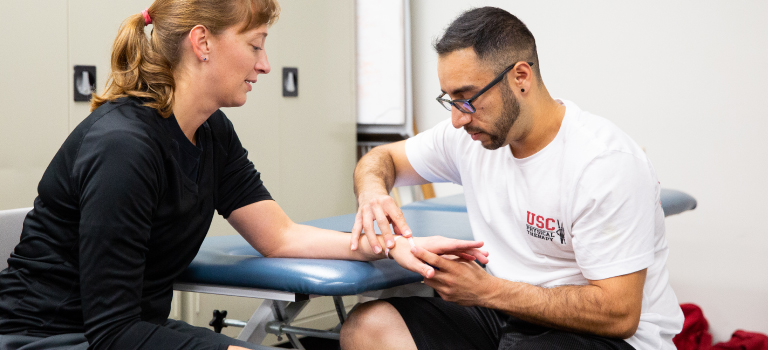
Expert assistance acts as a crucial role in assisting seniors develop personalized exercise plans. Seeking advice from medical professionals, mobility experts, or certified fitness trainers ensures that plans are adapted to specific requirements, endurance, and targets. These professionals can design effective workout protocols that consider factors such as arthritis, skeletal weakness, or cardiovascular limitations. Through consistent evaluation and refinement, fitness routines stay beneficial and motivating, promoting sustained engagement and progress.
Ultimately, enabling older adults to adopt exercise through inclusive fitness frameworks builds a community of lifelong movement. When older adults are equipped with knowledge, motivation, and structured support, they gain confidence in their physical abilities and enjoy greater independence. Regular exercise improves advice not only physical strength but also mental clarity and psychological balance. By prioritizing inclusive, well-guided fitness programs, communities can enable that all participants has the means to live a healthy, active, and meaningful journey.